Water damage restoration
Water Damage Restoration in Delray Beach
First Class Mold and Water Restoration provides water damage restoration for homes, businesses, rental properties, and managed facilities in Delray Beach. Our services focus on removing accessible water, identifying moisture in affected materials, creating controlled drying conditions, and reducing the risk of additional property damage.
How Water Damage Restoration Protects and Recovers Your Property
Water damage restoration removes unwanted water, dries affected materials, limits additional damage, and prepares the property for any repairs that may follow. Water can move beneath flooring, behind drywall, through insulation, and into cabinets or wall cavities. Removing the visible puddle does not confirm that surrounding materials are dry.
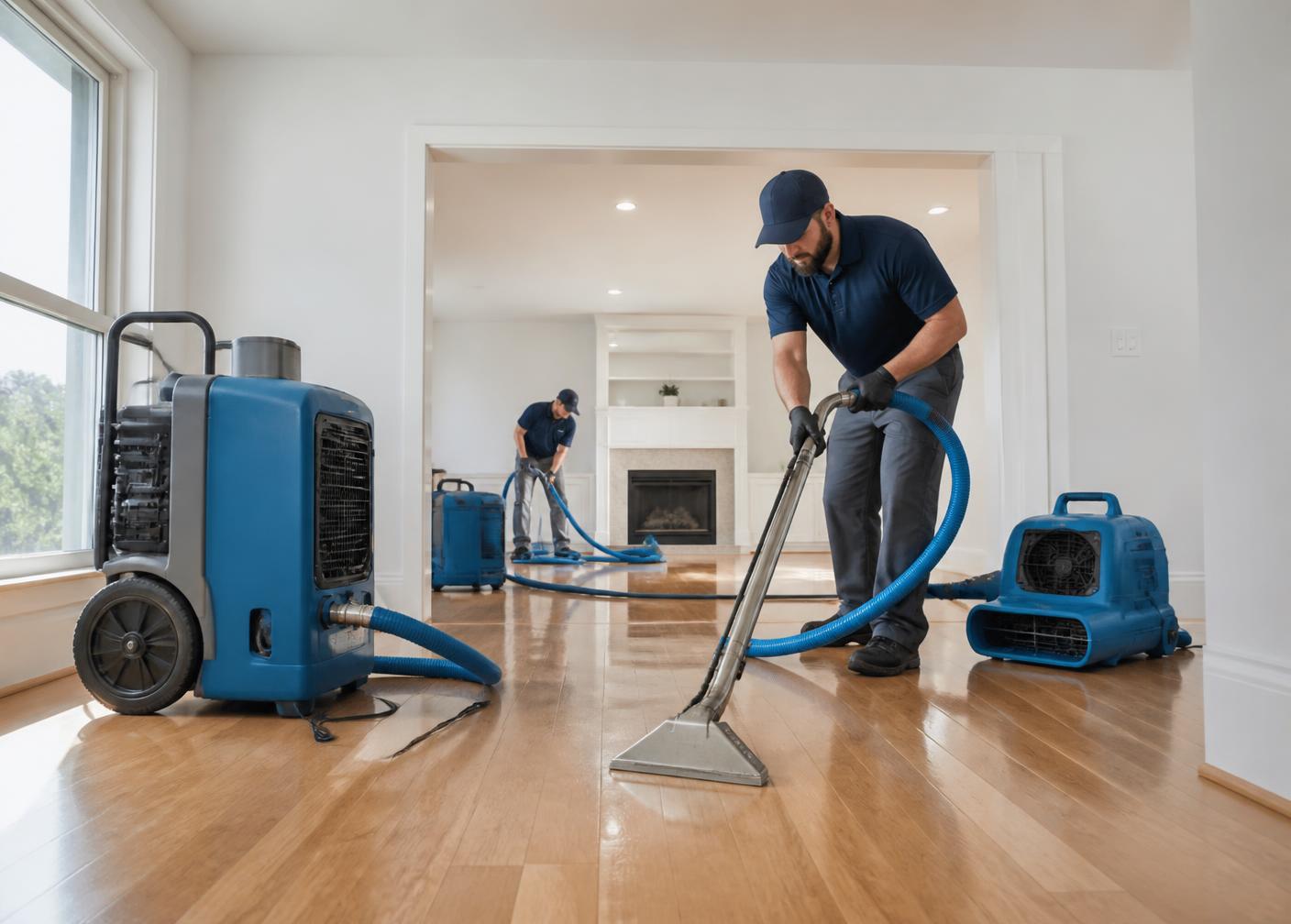
A professional water mitigation scope may involve water extraction, moisture mapping, dehumidification, air movement, controlled material removal, and drying-progress monitoring. The exact approach depends on the source, material type, amount of water, accessibility, and how long the area remained wet.
What Types of Water Damage Do We Address?
We assist with water intrusion caused by sudden failures, overflows, leaks, storm-related conditions, and other events affecting residential or commercial properties.
Common water damage projects
- Burst or leaking supply lines
- Overflowing sinks, tubs, or fixtures
- Washing machine, dishwasher, or water heater failures
- Roof or storm-related water intrusion
- Wet drywall, flooring, cabinets, or insulation
- Commercial leaks affecting offices or occupied facilities
What our work covers
Our work addresses the resulting water damage. The original plumbing failure, roof opening, appliance problem, or structural defect may require a separate qualified contractor.
What Are the Signs of Hidden Water Damage?
Hidden water damage often appears through changing materials, persistent odors, abnormal humidity, or stains that continue spreading after the visible water is gone. Warning signs may include soft drywall, peeling paint, swollen baseboards, buckling floors, damp cabinets, ceiling discoloration, or a room that does not dry normally.
If you find yourself searching why are my hardwood floors buckling, or how do I fix bubbling paint after a leak, it often points to moisture trapped beneath or behind the visible surface.
Moisture meter readings and structural moisture mapping can help compare affected materials with dry reference areas. These tools do not replace professional judgment, but they provide useful information when defining the drying scope.
Water Mitigation vs. Full Restoration: What Is the Difference?
Water mitigation controls the immediate damage, while full restoration may include rebuilding and finish work after the property is dry.
Mitigation may include
- Water extraction
- Moisture evaluation
- Structural drying and dehumidification
- Removal of unsalvageable materials
- Drying-progress monitoring
- Cleaning within the approved scope
Full restoration may continue with
- Drywall replacement
- Flooring installation
- Painting
- Cabinets, trim, or other reconstruction
Customers comparing water restoration companies should confirm which phase is included. A low extraction-only estimate cannot be compared directly with a proposal that includes several days of equipment, monitoring, and material removal.
How Does the Structural Drying Process Work?
Structural drying combines water removal, controlled airflow, dehumidification, environmental measurements, and repeated material readings.
- 1
Evaluate the damage
Identify affected rooms, materials, and possible concealed areas.
- 2
Extract accessible water
Remove standing water and excess moisture from appropriate surfaces.
- 3
Address affected materials
Determine what may be dried and what requires controlled removal.
- 4
Create drying conditions
Position air movement and dehumidification equipment based on the project.
- 5
Monitor progress
Review humidity, temperature, and material moisture as conditions change.
Equipment should not be removed only because the surface looks dry. Monitoring helps determine whether moisture levels are moving toward an appropriate drying objective.
Can Water-Damaged Materials Be Saved?
Some materials can be dried and preserved, while others require removal because of contamination, deterioration, delamination, or prolonged saturation.
Material preservation depends on the water source, length of exposure, construction method, existing condition, and ability to access the affected area.
Hard surfaces may respond differently from drywall, insulation, carpet padding, engineered flooring, or composite cabinets. Hardwood floor moisture extraction may be possible in some situations, but severely buckled or deteriorated flooring cannot always be restored. Responsible recommendations should be made after evaluating the material, not from a generic promise that everything can be saved.
Why Choose First Class Mold and Water Restoration?
We provide focused water mitigation, clear communication, and recommendations based on the materials and moisture conditions found at your property.
Our team explains the proposed scope, equipment needs, material decisions, and any factors that may change the project. We serve both residential and commercial properties and understand the importance of reducing disruption while completing the necessary drying work.
If mold has developed on damp materials, see our mold remediation and removal services.
Water Damage Restoration FAQs
- What is the difference between water mitigation and full restoration?
- Water mitigation controls the immediate damage, while full restoration may include rebuilding and finish work after the property is dry.
- What are the signs of hidden water damage?
- Hidden water damage often appears through changing materials, persistent odors, abnormal humidity, or stains that continue spreading after the visible water is gone.
- Can water-damaged materials be saved?
- Some materials can be dried and preserved, while others require removal because of contamination, deterioration, delamination, or prolonged saturation.
Request Water Damage Restoration
Need help with standing water, wet materials, or hidden moisture? Fill out our service request form, call (888) 681-2407, or email 1stclassfs@gmail.com to request water damage restoration.